
Casino games are designed to be engaging and entertaining, but have you ever wondered what makes them so addictive? The answer lies in the psychology behind casino game design. By understanding the core principles of human behavior and psychology, game designers can create experiences that keep players coming back for more. For example, the online casino industry has grown significantly over the past decade, with many players preferring the convenience and accessibility of online gaming.
Research has shown that casino games can activate the brain’s reward system, releasing dopamine and creating feelings of pleasure and excitement. This can lead to a cycle of addiction, as players become hooked on the feeling of winning and the thrill of the game. According to a study by the UK Gambling Commission, 68% of online casino players in the UK are male, and the average age is 35-44 years old.
Understanding the Core Principles: How Casinos Hook You
Variable Ratio Reinforcement: The Unpredictable Reward
One of the key principles behind casino game design is variable ratio reinforcement. This refers to the unpredictable nature of rewards, where players don’t win every time they play, but the occasional wins are enough to keep them coming back. This unpredictability makes the behavior (playing the game) highly resistant to extinction. A study by the Harvard Business Review found that players who experience variable ratio reinforcement are more likely to continue playing, even after a series of losses.
In addition to variable ratio reinforcement, casinos also use near misses to keep players engaged. Near misses refer to the feeling of almost winning, where players come close to hitting the jackpot but ultimately fall short. This can create a sense of frustration and disappointment, but also motivates players to continue playing in the hopes of finally winning.
Near Misses: The Illusion of Almost Winning
Near misses can be particularly effective in slot machines, where players may see the reels spinning and think they are about to win. The feeling of almost winning can be so strong that players may continue to play, even if they are on a losing streak. A study by the University of British Columbia found that near misses can activate the brain’s reward system, releasing dopamine and creating feelings of pleasure and excitement.
Loss aversion is another key principle behind casino game design. This refers to the tendency for players to feel the pain of loss more than the joy of winning. Casinos use this to their advantage by designing games that minimize the impact of losses and maximize the excitement of wins.
Loss Aversion: Feeling the Pain of Loss More Than the Joy of Winning
Loss aversion can be seen in the way casinos design their games, with many offering free spins or bonus rounds to offset the impact of losses. This can create a sense of fairness and make players feel like they are getting a good deal, even if they are ultimately losing money. According to a study by the Journal of Gambling Studies, players who experience loss aversion are more likely to chase their losses, leading to a cycle of addiction.
Visual and Auditory Cues: Engineering the Sensory Experience
Bright Lights and Colors: Stimulating the Senses
Casinos use a range of visual and auditory cues to create an immersive and engaging experience. Bright lights and colors can stimulate the senses, creating a sense of excitement and energy. The use of red and gold colors, for example, can create a sense of luxury and sophistication, making players feel like they are in a high-end casino.
Sound effects are also used to create a sensory experience, with the sounds of winning and losing designed to elicit specific emotions. The sound of clanging coins or the ringing of a jackpot bell can create a sense of excitement and anticipation, while the sound of a losing spin can create a sense of disappointment and frustration.
Sound Effects: The Symphony of Winning (and Losing)
The use of sound effects can be particularly effective in creating a sense of community and social interaction. The sounds of other players winning and losing can create a sense of camaraderie and shared experience, making players feel like they are part of a larger community. A study by the Journal of Gaming and Virtual Worlds found that players who experience social interaction and community in online casinos are more likely to continue playing and feel a sense of belonging.
| Sensory Cue | Psychological Effect | Example in Casino Games |
|---|---|---|
| Bright Colors (Red, Gold) | Excitement, Energy, Luxury | Slot Machine Cabinets, Casino Carpets |
| Fast-Paced Sounds | Increased Heart Rate, Anticipation | Spinning Reels, Card Shuffling |
| “Winning” Sounds (Chimes, Jingles) | Positive Reinforcement, Dopamine Release | Slot Machine Jackpots, Bonus Round Activations |
| Familiar Themes (Movies, TV Shows) | Comfort, Nostalgia, Recognition | Licensed Slot Machines, Table Game Variations |
| Flashing Lights | Attention Grabbing, Visual Stimulation | Jackpot Announcements, Bonus Game Sequences |
Cognitive Biases Exploited in Casino Games
The Gambler’s Fallacy: Believing in Streaks
The gambler’s fallacy refers to the tendency for players to believe in streaks and patterns, even when the outcome of each game is independent. This can lead to a range of cognitive biases, including the illusion of control and confirmation bias. A study by the Journal of Behavioral Decision Making found that players who experience the gambler’s fallacy are more likely to make irrational decisions and chase their losses.
The illusion of control can be particularly effective in games like poker and blackjack, where players may feel like they have control over the outcome. However, the outcome of each game is ultimately determined by chance, and players may be simply experiencing a streak of good luck.
The Illusion of Control: Feeling Like You Can Influence the Outcome
Confirmation bias can also play a role in casino game design, where players may seek out evidence that supports their beliefs and ignore evidence that contradicts them. This can create a sense of confirmation and reinforcement, making players feel like they are making the right decisions. A study by the Journal of Experimental Psychology found that players who experience confirmation bias are more likely to continue playing and feel a sense of confidence in their decisions.
The Social Dynamics of Casino Environments
Creating a Community: The Illusion of Belonging
Casinos use a range of social dynamics to create a sense of community and belonging. This can include the use of social media, online forums, and live events to create a sense of connection and shared experience. A study by the Journal of Consumer Research found that players who experience a sense of community and belonging in online casinos are more likely to continue playing and feel a sense of loyalty to the brand.
Observational learning can also play a role in casino game design, where players may learn from others and adopt their strategies and behaviors. This can create a sense of social learning and reinforcement, making players feel like they are part of a larger community.
Observational Learning: Mimicking Other Players’ Strategies
Peer pressure can also be a factor in casino game design, where players may feel encouraged to continue playing and betting by others. This can create a sense of social pressure and reinforcement, making players feel like they need to keep up with others. A study by the Journal of Applied Social Psychology found that players who experience peer pressure in online casinos are more likely to continue playing and feel a sense of obligation to others.
Game Design Specifics: Examples in Popular Games
Slot Machines: The Master of Psychological Manipulation
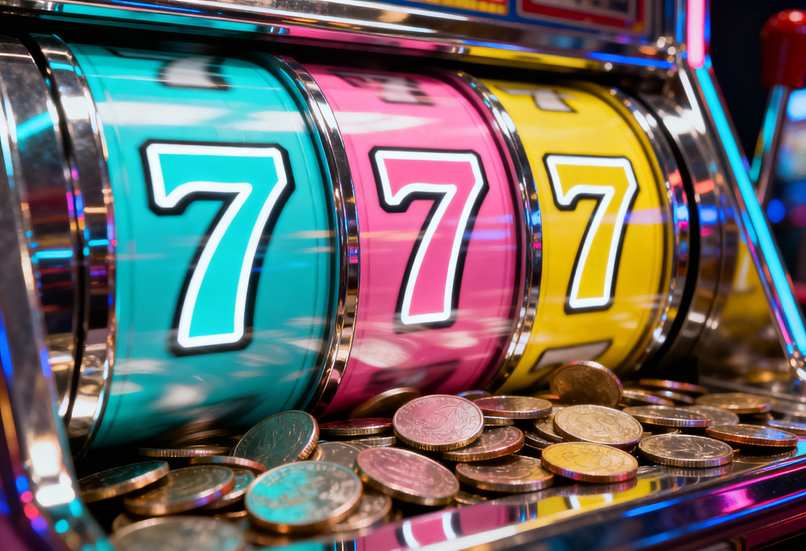
Slot machines are a classic example of casino game design, using a range of psychological principles to keep players engaged. The use of variable ratio reinforcement, near misses, and sensory stimulation can create a highly addictive experience, with players feeling like they are on the verge of winning. A study by the Journal of Gambling Studies found that slot machines are the most popular form of gambling in the UK, with over 70% of players preferring them to other forms of gaming.
Poker is another popular game that uses psychological principles to keep players engaged. The use of skill-based competition and risk assessment can create a sense of excitement and anticipation, with players feeling like they are in control of the outcome.
Poker: Skill, Strategy, and the Allure of Risk
Roulette is a game of chance that uses simplicity and suspense to keep players engaged. The spinning wheel and table layout can create a sense of drama and anticipation, with players feeling like they are taking a risk and making a bet. A study by the Journal of Experimental Psychology found that players who experience the thrill of roulette are more likely to continue playing and feel a sense of excitement and pleasure.
| Game | Key Psychological Element | Design Feature |
|---|---|---|
| Slot Machines | Variable Ratio Reinforcement, Near Misses | Random Number Generator, Reel Arrangement |
| Poker | Skill-Based Competition, Risk Assessment | Blind Betting, Bluffing Mechanics |
| Roulette | Chance, Simple Odds, Social Interaction | Spinning Wheel, Table Layout |
| Blackjack | Perceived Control, Strategic Decision Making | Hit/Stand Options, Card Counting (in theory) |
Ethical Considerations: The Responsibility of Game Designers
Responsible Gaming Initiatives: Promoting Awareness and Prevention
Game designers have a responsibility to promote responsible gaming practices and prevent problem gaming. This can include the use of responsible gaming initiatives, such as self-exclusion programs and deposit limits. A study by the UK Gambling Commission found that responsible gaming initiatives can be effective in reducing problem gaming and promoting responsible behavior.
Transparency in odds and payouts is also important, with players needing to understand the risks and rewards of each game. This can include the use of clear and concise language, as well as the provision of information on the odds of winning and the potential risks of each game.
Transparency in Odds and Payouts: Informing Players About the Risks
Avoiding exploitative design practices is also crucial, with game designers needing to focus on entertainment and enjoyment rather than addiction and exploitation. This can include the use of fair and random number generators, as well as the provision of clear and concise information on the rules and odds of each game. A study by the Journal of Gaming and Virtual Worlds found that players who experience fair and transparent gaming practices are more likely to trust the game and feel a sense of loyalty to the brand.
FAQ
Why are casino games so addictive?
Casino games are designed with psychological principles like variable ratio reinforcement, near misses, and sensory stimulation to create a highly engaging and potentially addictive experience. The unpredictable nature of rewards keeps players hooked, while visual and auditory cues reinforce positive feelings associated with winning.
What is “variable ratio reinforcement” and how does it work?
Variable ratio reinforcement is a type of operant conditioning where a behavior is reinforced after an unpredictable number of responses. In casino games, this means that players don’t win every time they play, but the occasional wins are enough to keep them coming back, hoping for the next big payout. This unpredictability makes the behavior (playing the game) highly resistant to extinction.
How do casinos use sound and light to influence players?
Casinos use bright lights, vibrant colors, and strategically placed sounds to create an immersive and stimulating environment. These sensory cues are designed to heighten excitement, increase heart rate, and trigger the release of dopamine, a neurotransmitter associated with pleasure and reward. The sounds of winning, even small wins, are particularly effective at reinforcing the desire to keep playing.
Are all casino games equally addictive?
While all casino games utilize psychological principles to some extent, some are considered more addictive than others. Slot machines, with their fast-paced action, near misses, and variable ratio reinforcement, are often cited as the most addictive. Games that involve a degree of skill, like poker or blackjack, may be less addictive because players feel a sense of control over the outcome.
What can I do to gamble responsibly?
Set a budget and stick to it, avoid chasing losses, take frequent breaks, understand the odds of the games you’re playing, and never gamble when you’re feeling stressed, depressed, or under the influence of alcohol or drugs. If you think you might have a gambling problem, seek help from a support group or professional counselor.