
From the robust black teas of the British to the delicate green teas of China, there is a wide variety to choose from. Pre-packaged seasoning mixes can contain a variety of ingredients, including salt, sugar, anti-caking agents, and sometimes even oils. For example, a teaspoon of sugar contains about 16 calories.

When using salt, start with a small amount and taste as you go, adjusting the seasoning to your taste. You can also try using salt-free seasoning blends or homemade spice mixes to add flavor to your food without adding excess salt. Remember, it’s all about balance and moderation – a pinch of salt here and there is unlikely to hinder your weight loss efforts. While spices certainly add depth and zest to your meals, they are typically used in such small quantities that their caloric contribution is negligible. Many spices contain fewer than five calories per tablespoon, and most people use far less than that in a single serving. Therefore, unless they are consumed in massive quantities, spices won’t make a significant impact on your daily calorie count.
The answer is no, spices do not contain significant calories.
For example, a teaspoon of ground cinnamon or cumin contains around six to eight calories. Ground ginger, paprika, and turmeric fall in a similar range. These values are accurate, but the quantities used in cooking are generally limited to a teaspoon or less per serving, making their calorie contribution minimal in most meals.
Everyday Health, Made Simple
Their ingredients can cause health problems, especially if you don’t understand what their nutrition labels are telling you. Stuffed bell peppers filled with ground venison, rice, tomatoes, and cheese create a complete meal. The peppers add sweetness that balances the meat’s rich flavor.
Understanding the Caloric Impact of Seasonings
Mix your ground venison with herbs like sage, thyme, and parsley. Ground venison makes excellent meatloaf when you add the right ingredients. The meat is lean, so you need to keep it moist with eggs, breadcrumbs, and a bit of fat like bacon or olive oil. Season your meat with Worcestershire sauce, salt, and pepper. Add minced shallots and fresh herbs like thyme or parsley for extra flavor.
- Additionally, foods that are typically high in sodium, such as processed and packaged foods, tend to be calorie-dense and may contribute to weight gain if consumed in excess.
- Dried herbs and ground spices do contain small amounts of calories, but they’re generally used in such tiny portions that they don’t have a significant impact.
- A diet rich in saturated fat has been linked with heart disease, high cholesterol, and diabetes.
- Below, we detail specific categories of these seasonings, showcasing their importance in maintaining our dietary goals.
- Some seasonings, such as hot peppers or chili flakes, can boost your calorie burn due to a compound called capsaicin.
- For example, cinnamon is a good source of fiber, while turmeric contains the compound curcumin that has potent anti-inflammatory effects.
Therefore, while spices can enhance the flavors of our food, they generally do not contribute substantially to the overall caloric content. You can also ask for your dish to be prepared without unimeal reviews added salt or sugar, or request that the chef use herbs and spices instead of sauces high in sugar and salt. Additionally, consider carrying your own seasonings, such as salt-free seasoning blends or herbs, to add flavor to your meal without compromising your dietary goals. It’s essential to read labels and be mindful of the ingredients and nutritional content of the seasonings you use. Opt for seasonings that are low in added sugars, saturated fats, and sodium.
Why are seasonings important for meals?
Seasonings can enrich your dishes and contribute to your well-being without affecting your caloric intake. When it comes to calorie content, seasonings themselves typically have a minimal impact. Most seasonings are made from a combination of herbs, spices, and other flavor-enhancing ingredients, which are low in calories. Herbs such as basil, thyme, oregano, and spices like cinnamon, cumin, and paprika, for example, are virtually calorie-free. These seasonings add depth and complexity to dishes without significantly contributing to the overall caloric intake.
Do Seasonings Have Calories? Unpacking the Facts
Experimenting with different seasoning combinations can help you find alternatives to salt that you enjoy. Summing up, the article covered details on spices and their caloric content. Apart from adding a burst of flavor, spices offer several health benefits, which are discussed in the article.
How to Dry Basil in Oven: Step-by-Step Guide
Spices like cayenne or ginger may slightly boost metabolism, though evidence is modest. More importantly, they make healthy foods (veggies, lean proteins) taste amazing, helping you stick to calorie-conscious eating. From a morning brew to a relaxing afternoon drink, tea comes in many diverse flavors and fusions.
Top your meatloaf with a simple glaze made from ketchup or tomato paste. These recipes use straightforward methods and ingredients you probably already have in your kitchen. Many people stick to the same basic recipes like tacos and spaghetti. Other variations of tea can be found in different parts of the world. In Morocco, mint tea is a beloved beverage made with green tea leaves and an abundance of fresh mint leaves.
How can I season my food without using salt?
It’s important to account for these, especially in recipes that call for substantial amounts. The question of whether seasonings have calories is quite insightful, especially for those who are mindful of their dietary intake. But there are a handful of herbs and spices out there that contain a really surprising number of calories. Yes—it’s full of antioxidants, has anti-inflammatory properties, and is free of fat, sugar, and sodium when made purely from herbs. Apps like MyFoodData display per 100g values (e.g., 247 kcal for cinnamon), but this is irrelevant to cooking.
We’ll cover exact calorie counts, health benefits, comparisons with other blends, and even check what’s really in popular brands like Great Value Italian Seasoning. If you’re looking for a way to eat healthier without giving up taste, you’re in the right place. For example, a single tablespoon of teriyaki sauce can contain up to 60 calories, 14 grams of sugar, and 1 gram of fat. Similarly, a packet of ranch seasoning mix might contain 30 calories, 6 grams of carbs, and 1 gram of fat per serving.
Venison Meatballs in Tomato Sauce
While still low per serving, they are not calorie-free and contribute digestible carbohydrates. Black pepper, derived from peppercorns, contains trace amounts of fiber and oil, resulting in a minimal caloric count—usually less than one calorie per serving. Per FDA regulations, any food containing fewer than 5 calories per standard serving size is permitted to be labeled as zero calories. Beyond refined carbohydrates, commercial seasoning blends introduce concentrated calories via fats and oils, primarily used for functionality rather than flavor. Ingredients such as partially hydrogenated soybean oil, sunflower oil, or vegetable shortenings are employed as effective anti-caking agents. The primary contributors to elevated calorie counts in seasoning blends are carbohydrate fillers.
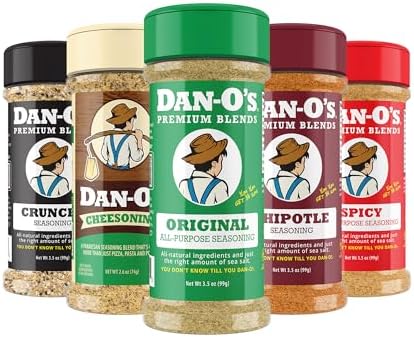
Watch Out For Added Ingredients In Pre-Packaged Seasoning Blends
As they are used in small amounts, their caloric impact on a finished dish is typically negligible. Thus, seasoning can be enjoyed guilt-free as it infuses flavors without significantly increasing calorie intake. Some healthy seasoning alternatives include herbs and spices like basil, oregano, thyme, cinnamon, and paprika.